
Description of Organic Synthesis
Over the past decades, the field of molecular biology has advanced rapidly, opening unprecedented opportunities to understand genes and their impact on human health. Genetic decoding has gone beyond identifying hereditary diseases and has extended into the field of nutrition, enabling personalized dietary plans based on genetic information. This article explores the applications of genetic decoding in food selection, its benefits, challenges, as well as compelling evidence and necessary references in a new field – proactive health care.
The lab provides all necessary facilities to students so they can work efficiently towards gaining a good hands-on experience on latest technologies and build an attitude for developing new technologies
Project Lab is having latest configuration computers and hardware. Students of third year utilize the resources of lab for Mini Project and Students of Fourth Year for their Final Year Project.
What are My Options for Research
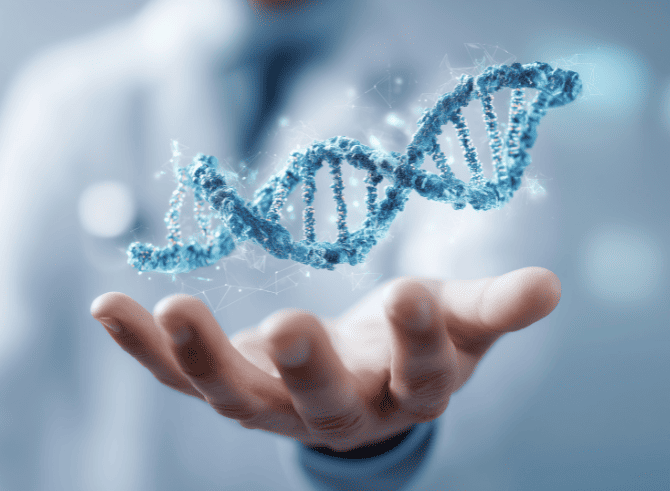
Genetic decoding is the process of analyzing nucleotide sequences in DNA to determine an individual’s genetic structure. This process helps identify genetic information, such as gene variants related to nutrient metabolism, risk of hereditary diseases, and the body’s response to the environment. Genetic decoding is not limited to identifying hereditary diseases but can also be widely applied in other areas, such as personalized nutrition (nutrigenomics) and preventive medicine, to optimize health and prevent disease. It enables a better understanding of genetic disorders while opening the possibility of personalized nutrition, supporting disease prevention and health enhancement.
- Mỗi người có một bộ gen riêng biệt, điều này dẫn đến sự khác biệt trong cách cơ thể phản ứng với các loại thực phẩm khác nhau.
- Việc áp dụng các nghiên cứu gen vào dinh dưỡng có thể tạo ra một nền tảng vững chắc cho việc phát triển chế độ ăn uống cá nhân hóa.
- Dinh dưỡng cá nhân hóa (nutrigenomics) là một lĩnh vực mới về nội dung cấu trúc di truyền khác nhau của mỗi người và do đó, nhu cầu dinh dưỡng của mỗi người cũng khác nhau. Hiểu đơn giản, dinh dưỡng cá nhân hóa giúp tạo ra những khuyến nghị chế độ ăn uống phù hợp nhất cho từng người dựa trên thông tin di truyền của riêng từng cá nhân.
- Nghiên cứu di truyền cho thấy cơ thể mỗi người có cách chuyển hóa thực phẩm khác nhau. Điều này có nghĩa là có những loại thực phẩm mà cơ thể một số người có thể chuyển hóa tốt, trong khi người khác lại không. Ví dụ, ở người châu Phi, 90% dân số có biến thể gen LCT giúp họ tiêu hóa được lactose (đường sữa), trong khi chỉ có 15% người châu Âu có khả năng này.
Our Client Review
The most common type of massage is Swedish massage therapy. It involves soft, long, kneading strokes, as well light, rhythmic, tapping strokes, on topmost layers of muscles. This is also combined with the movement of joints. By relieving muscle tension, Swedish therapy be both relaxing and energizing. And it may even help after an injury.
Genes Influence Diet
Many studies have shown that genetic factors can influence dietary preferences, nutrient metabolism, and the risk of diet-related diseases.
01
Nutrition-related Genes
Genetics influence appetite and satiety: Genes such as FTO and MC4R play a significant role in regulating hunger and fullness, thereby affecting the risk of obesity and body mass index (BMI).
02
Benefits of Applying Genetic Decoding in Nutrition
Enhance Health and Prevent Disease
Improve Quality of Life
03
“A scientist in his laboratory is not a mere technician: he is also a child confronting natural phenomena a impress him as though they were fairy tales.machines, gearings, even though such machinery has its own beauty.”
Satisfied Client
